Application
Mobile & Trailer Imaging
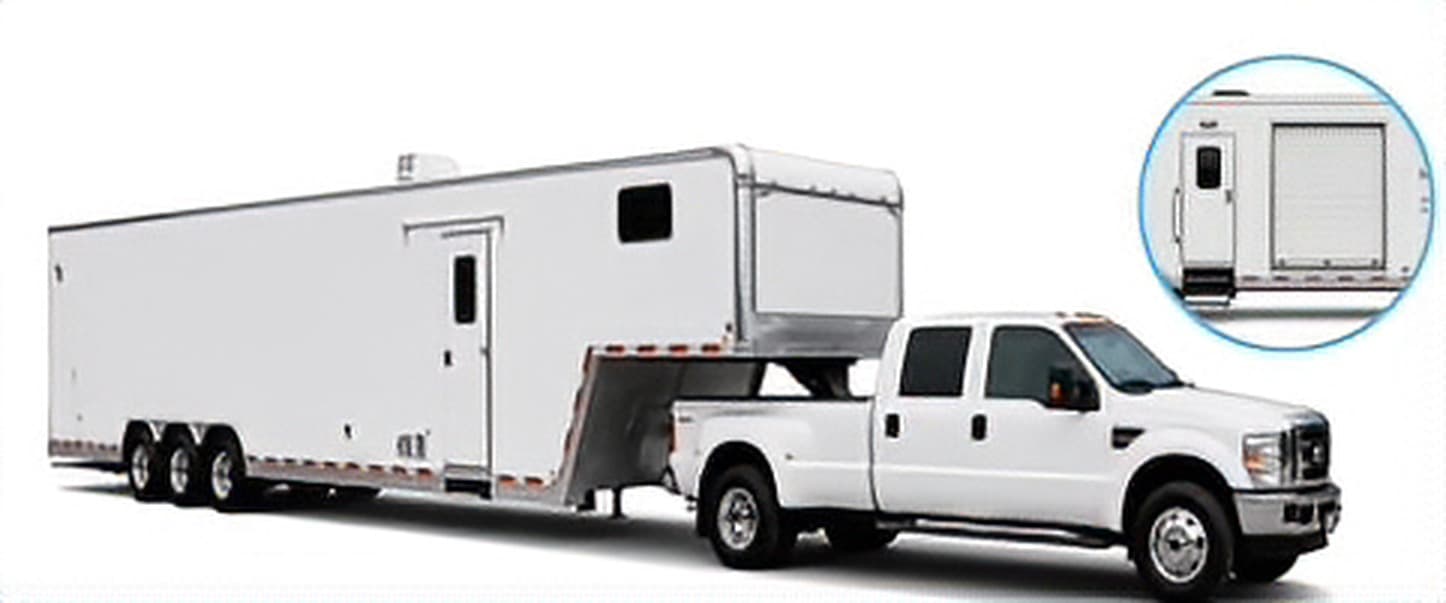
One vehicle, one imaging unit. Lightweight construction, vibration tolerance and low power draw make the system trailer-mountable.
Why it works
The setup.
MRI capacity is unevenly distributed. Across OECD countries the installed base runs from under 3 to almost 60 units per million people, and where capacity is thin the wait is counted in months rather than days.
Weight is what has kept MRI out of mobile settings. These are permanent-magnet designs weighing a few tonnes rather than tens of tonnes, running from a single-phase supply and shipped with a modular enclosure — so a vehicle, a temporary building or an upper floor becomes a viable site.
- A small modular enclosure rather than a full shielded room.
- Single-phase power and, in most sites, no floor reinforcement.
- Permanent magnet — no liquid helium, no cryogenic service.
- AI reconstruction and assisted reading to support sites without an on-staff radiologist.
The problem, in numbers
Why this needs its own machine.
Third-party figures, not our own — each one links back to a published source you can check.
2.9 – 59.8
MRI units per million population across OECD countries in 2024 — the range that decides how far a patient travels for a scan.
OECD Health Statistics 2024
16.2 weeks
was the median wait for an MRI in Canada in 2024, against 13 weeks the year before.
Fraser Institute
USD 1.7B → 4.1B
is the portable MRI systems market from 2026 to 2036 — 8.8% CAGR, driven by deployment outside fixed radiology suites.
Future Market Insights
Imaging
Sample images.
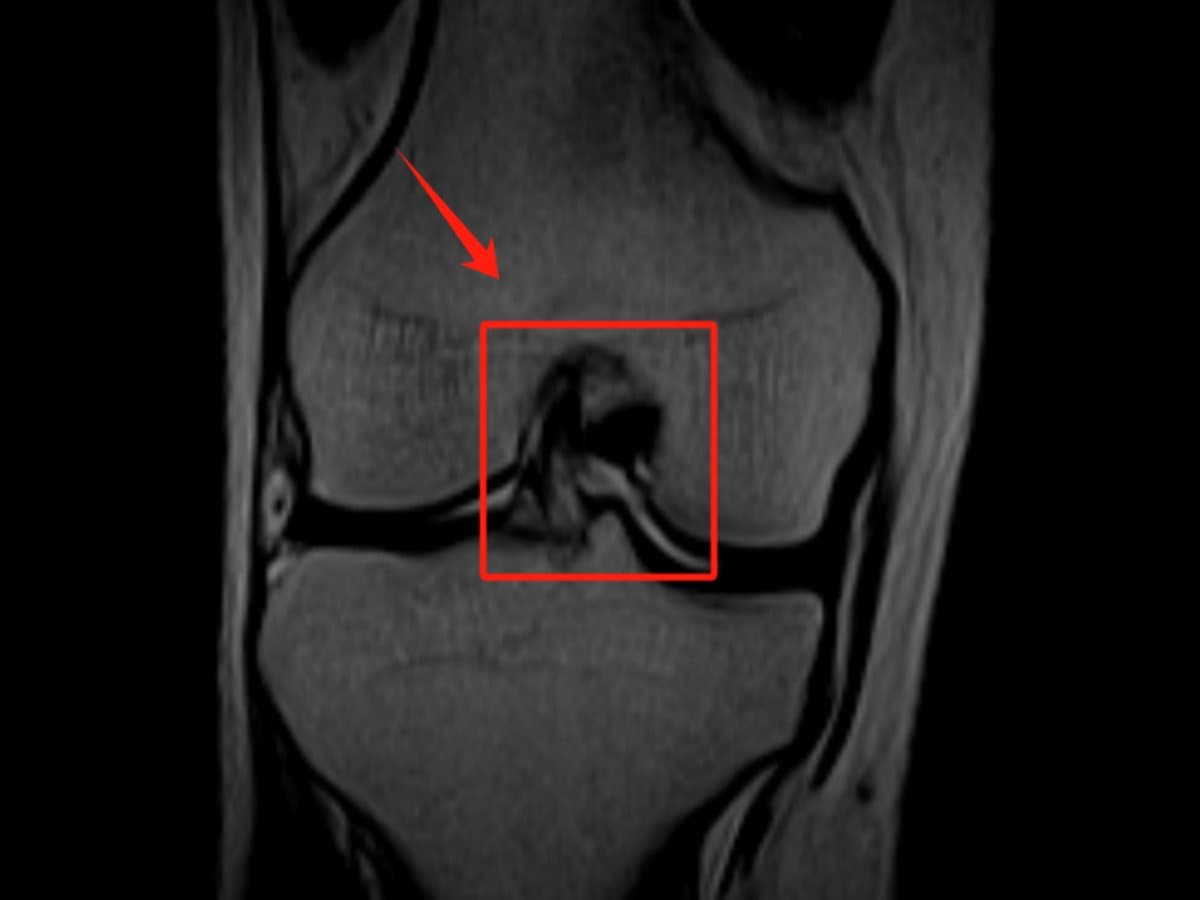
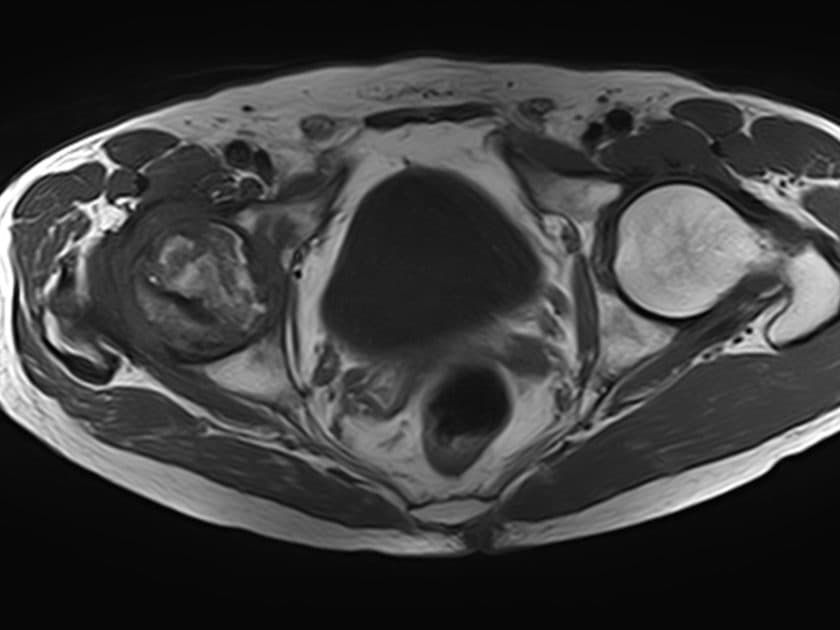
Clinical images require written authorization from the source institution and removal of patient identifiers.
Recommended systems
What we would suggest.
0.2T
Whole-Body MRI
PANTORIS Formula I
Multi-region scanning in a system that travels.
0.25T
MSK & Extremity MRI
PANTORIS Formula III
Weight-bearing imaging for orthopedics, sports medicine and joint care.
0.3T
Veterinary MRI
PANTORIS Veterinary Series
Equine and small-animal imaging, from the hoof to the head.
Talk to us about your site.
Tell us where the system needs to go and what you need to image. We will tell you what is possible.